Curiosity’s Playground: Where Lessons Wander and Minds Spark
Welcome to Grumaro, where real-world skills meet clear concepts—think chalkboard ideas mixed with hands-on know-how. I’ve seen how theory without practice falls flat. Ready to learn in a way that actually sticks? Let’s dive in.
Who Our Course Directly Enthralls
Heightened proficiency in applying Kanban methodologies to workflow management.
Strengthened ability to set and achieve goals.
Strengthened capacity to apply agile leadership principles in dynamic environments.
Strengthened ability to manage workload efficiently.
Enhanced ability to leverage social media for learning
Enhanced ability to evaluate sources for credibility.
Improved understanding of digital security.
Improved understanding of diverse perspectives
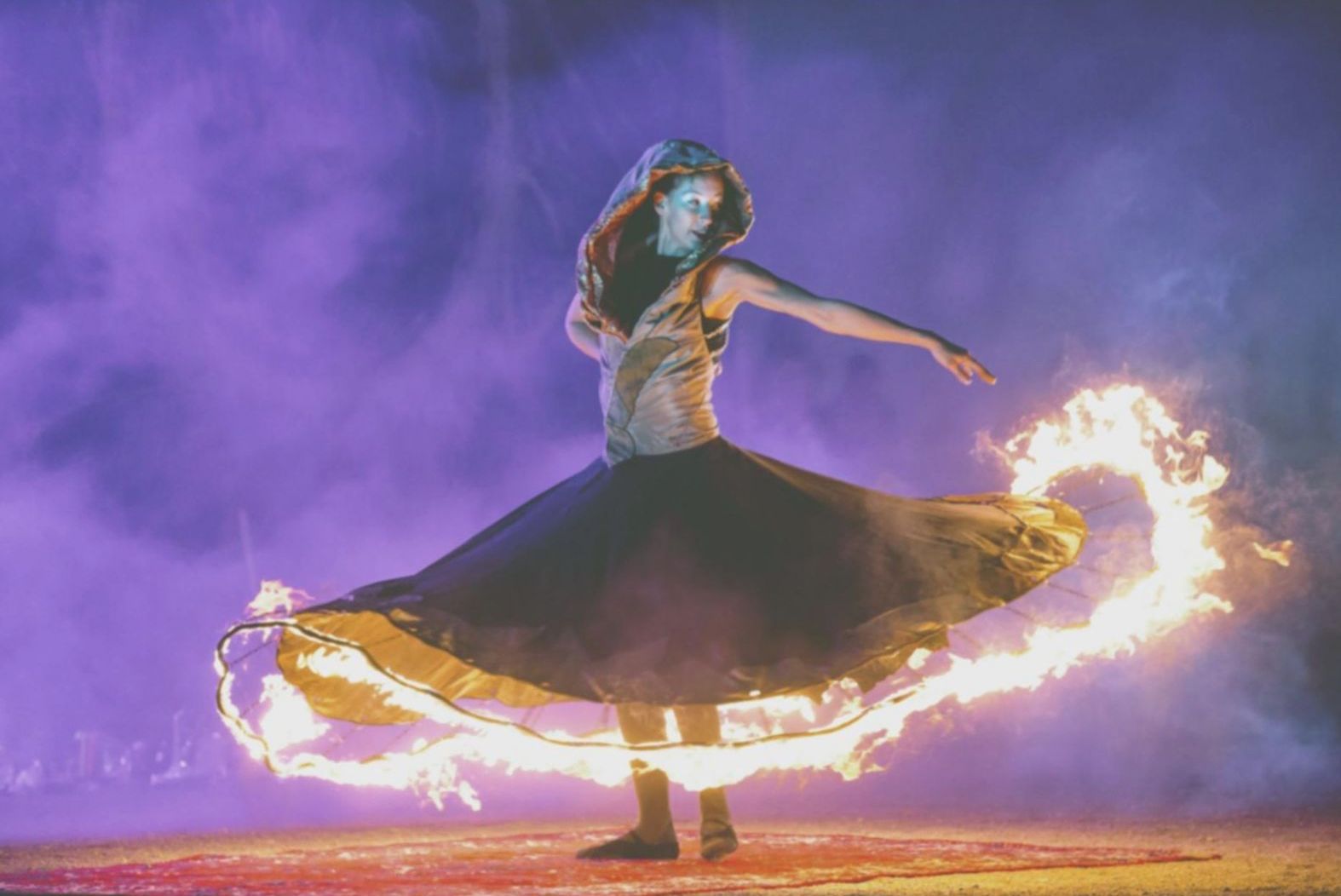
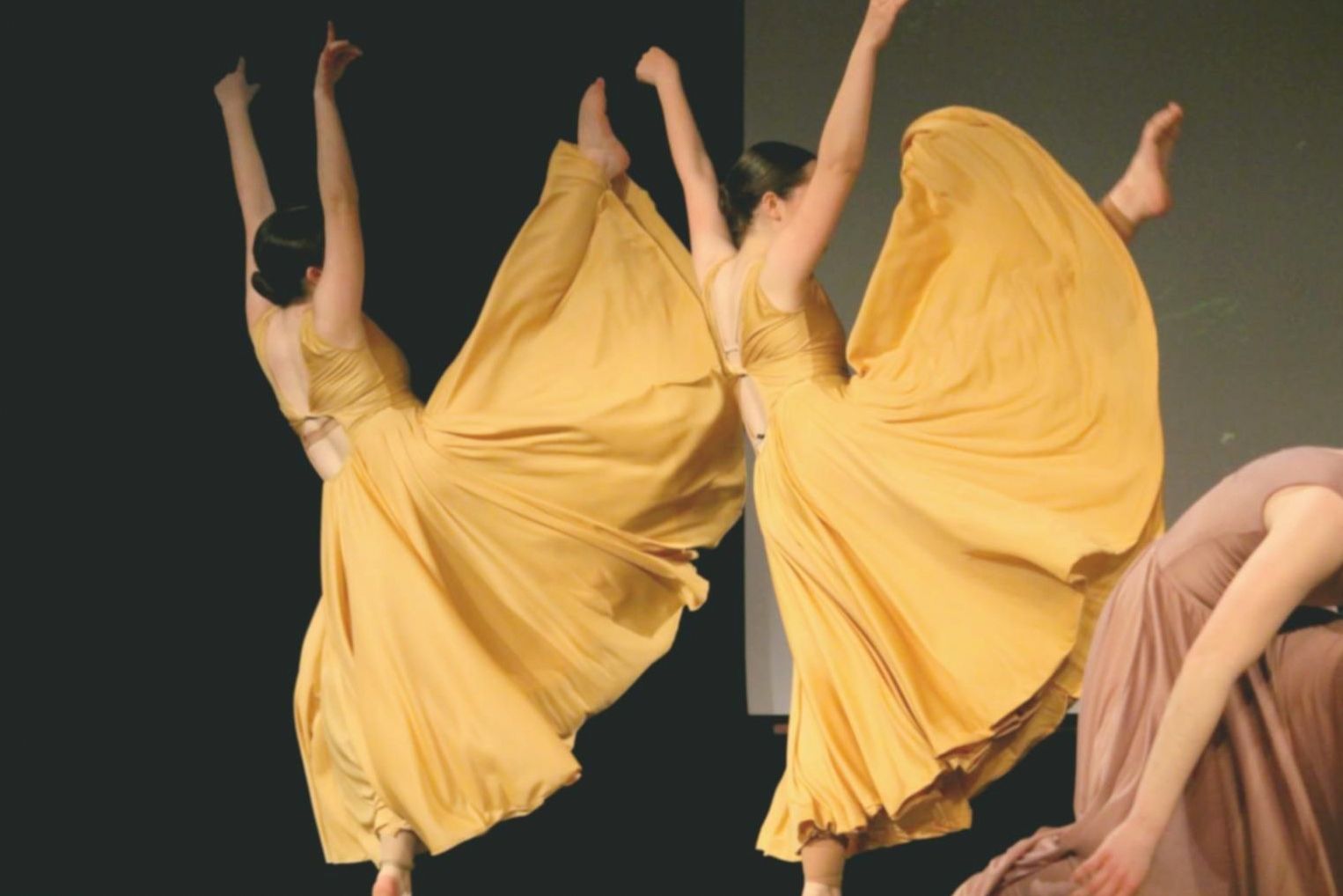
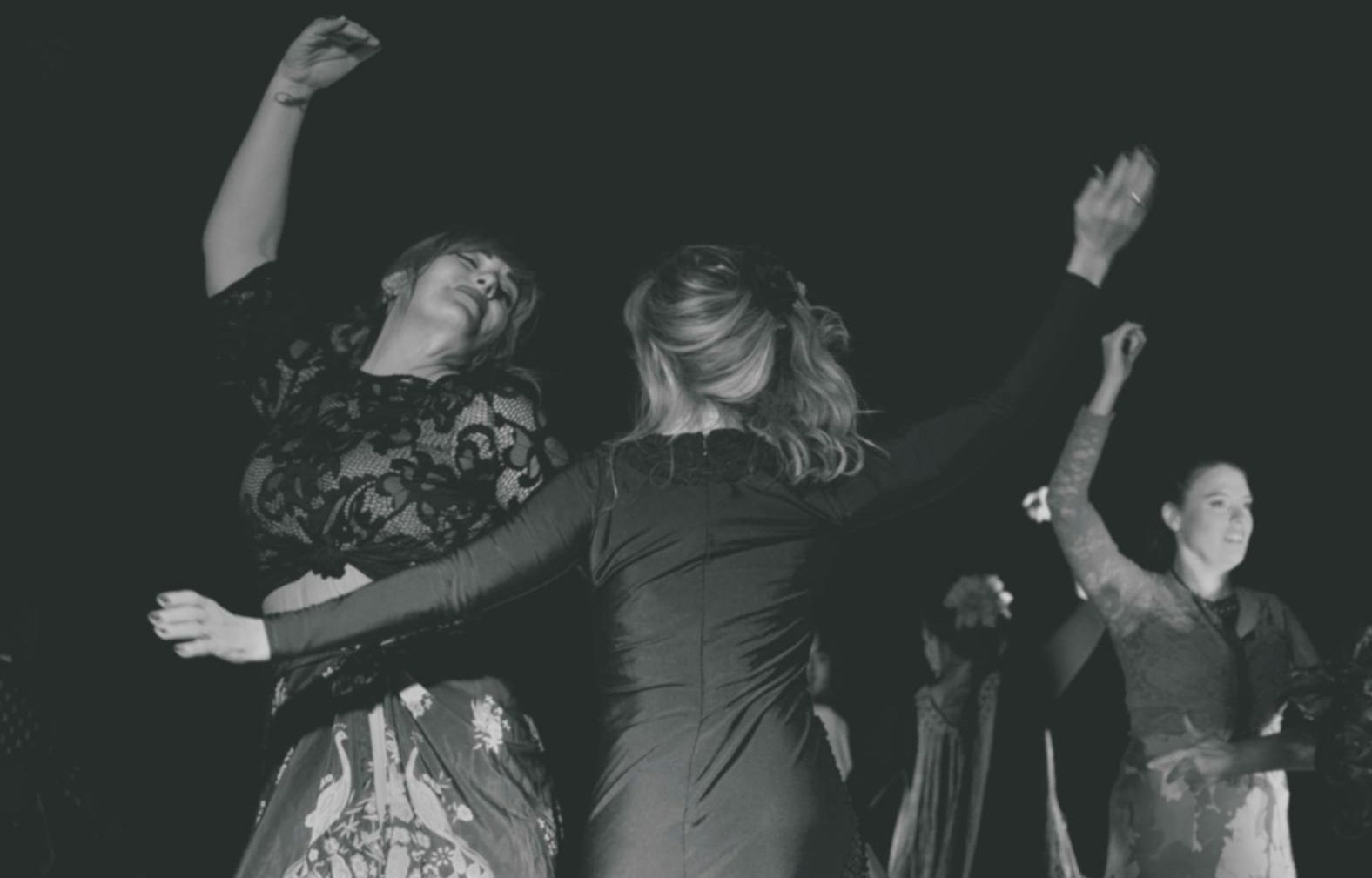
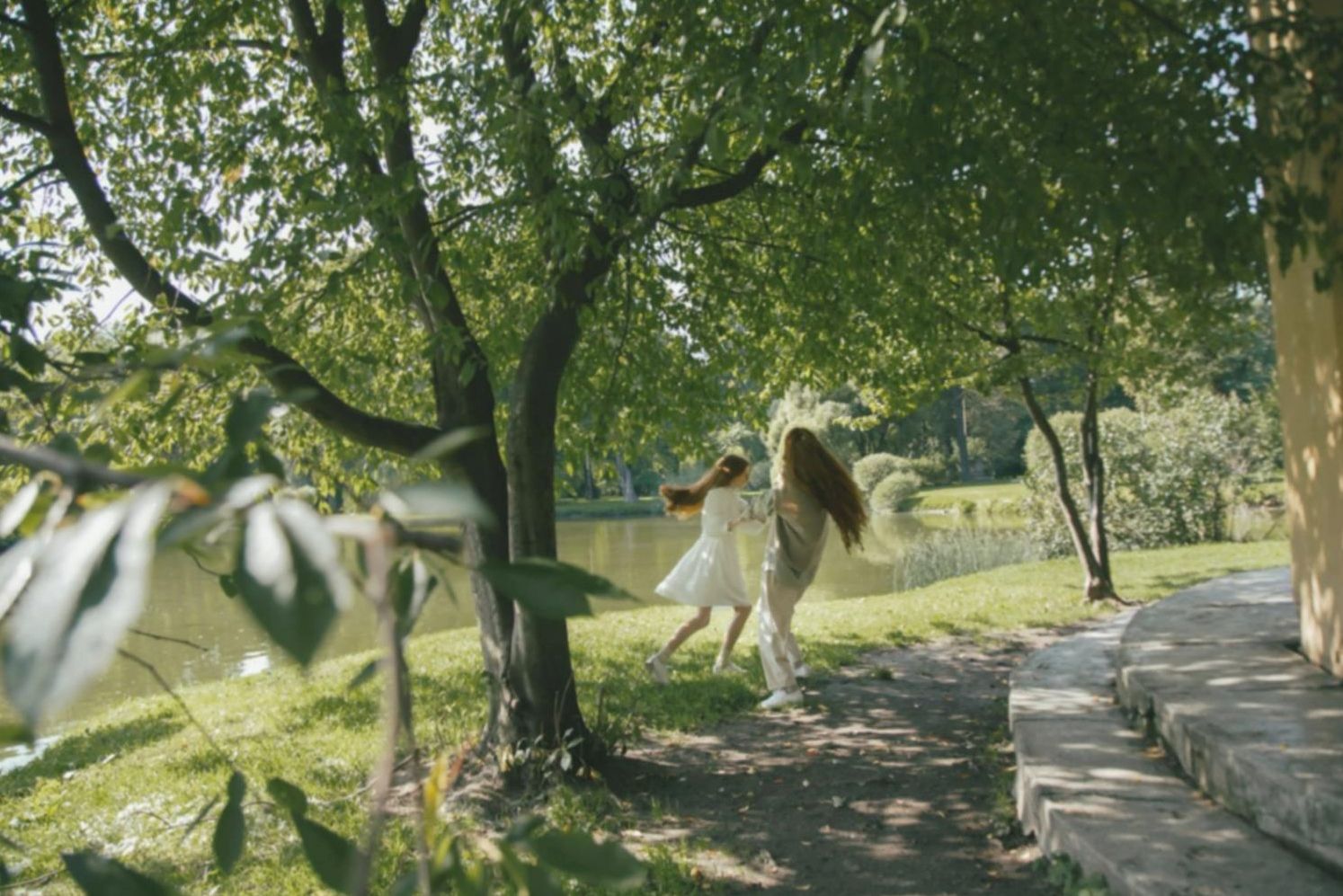
Step Into Rhythm—Find Your Confidence on the Dance Floor
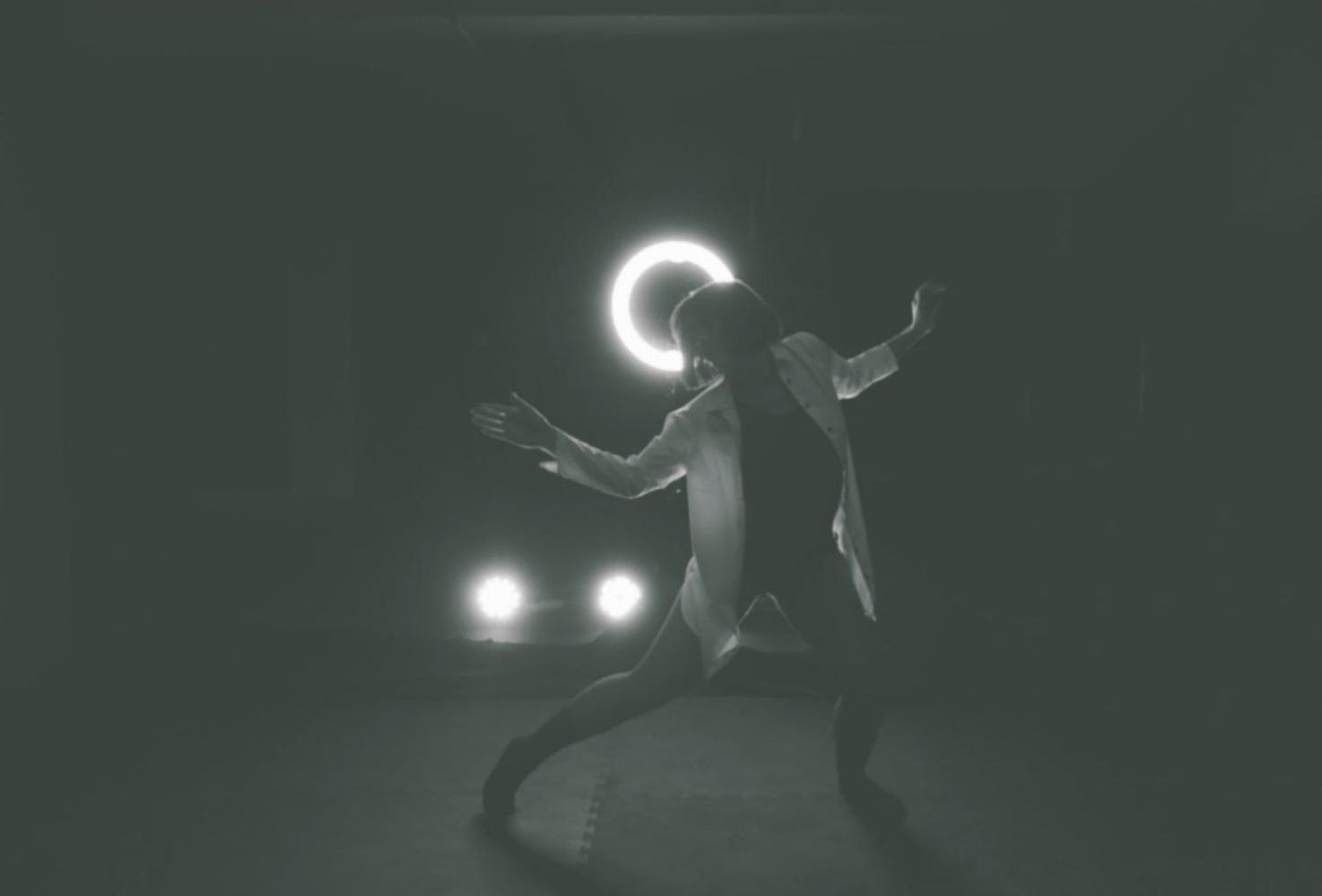
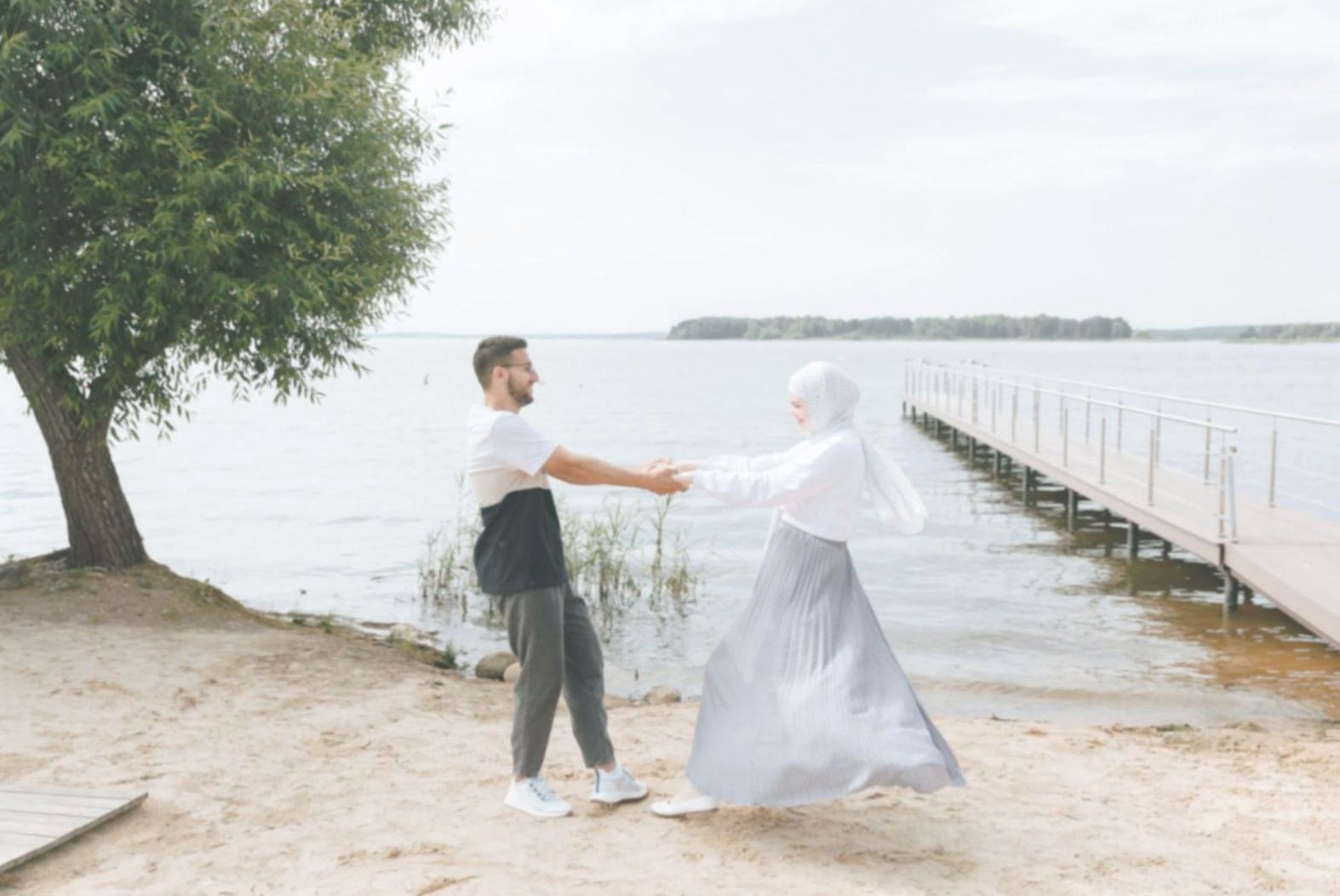
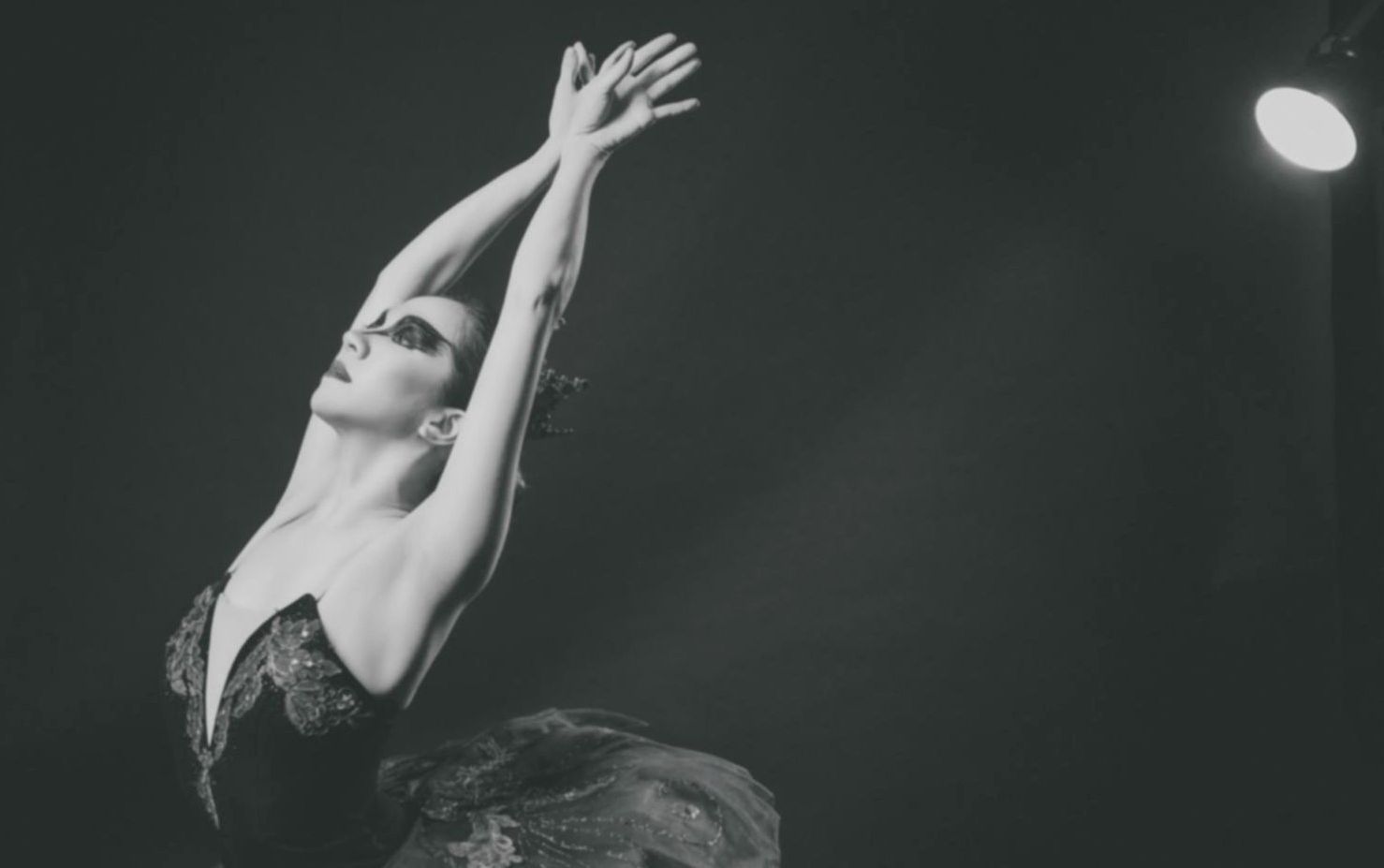
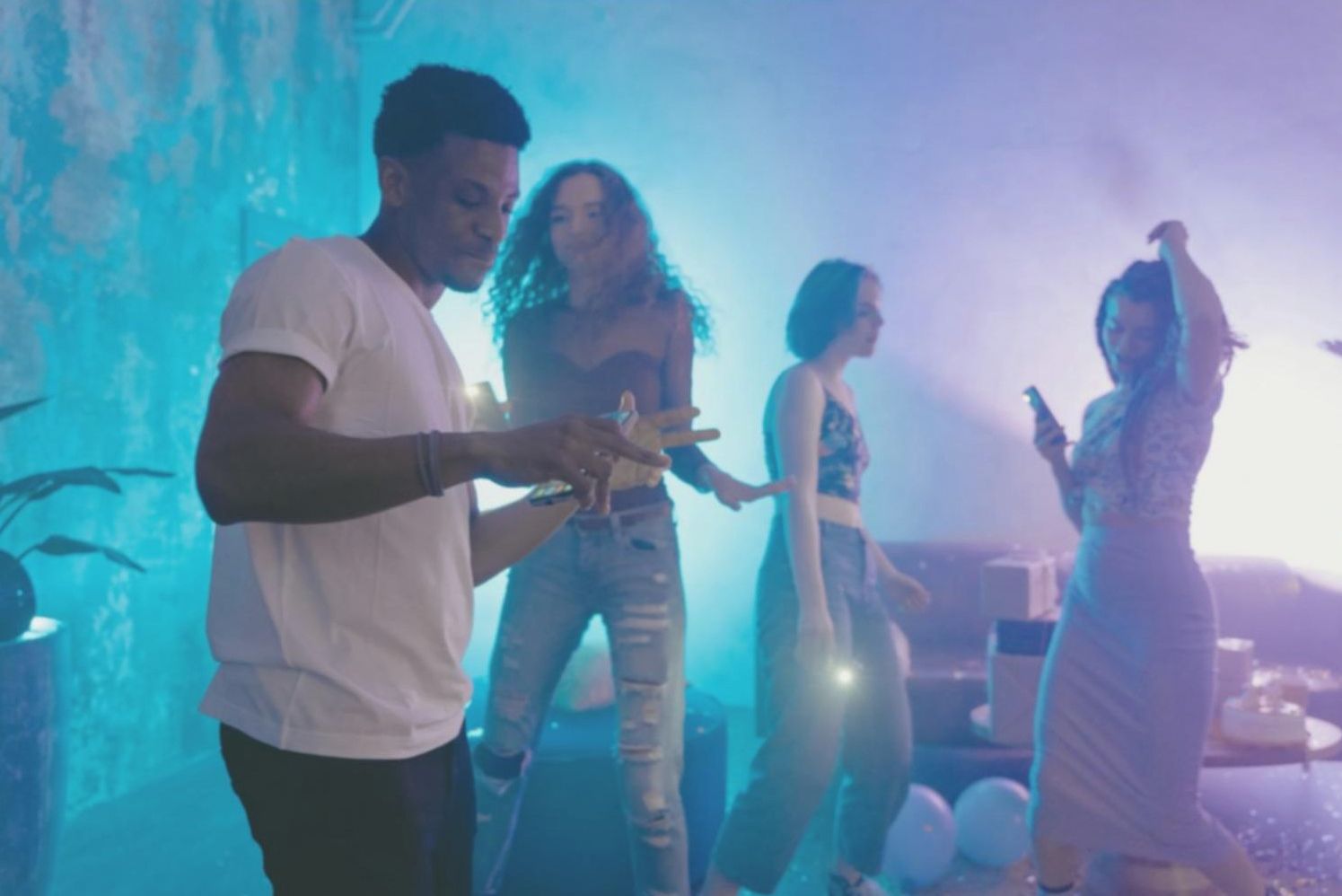
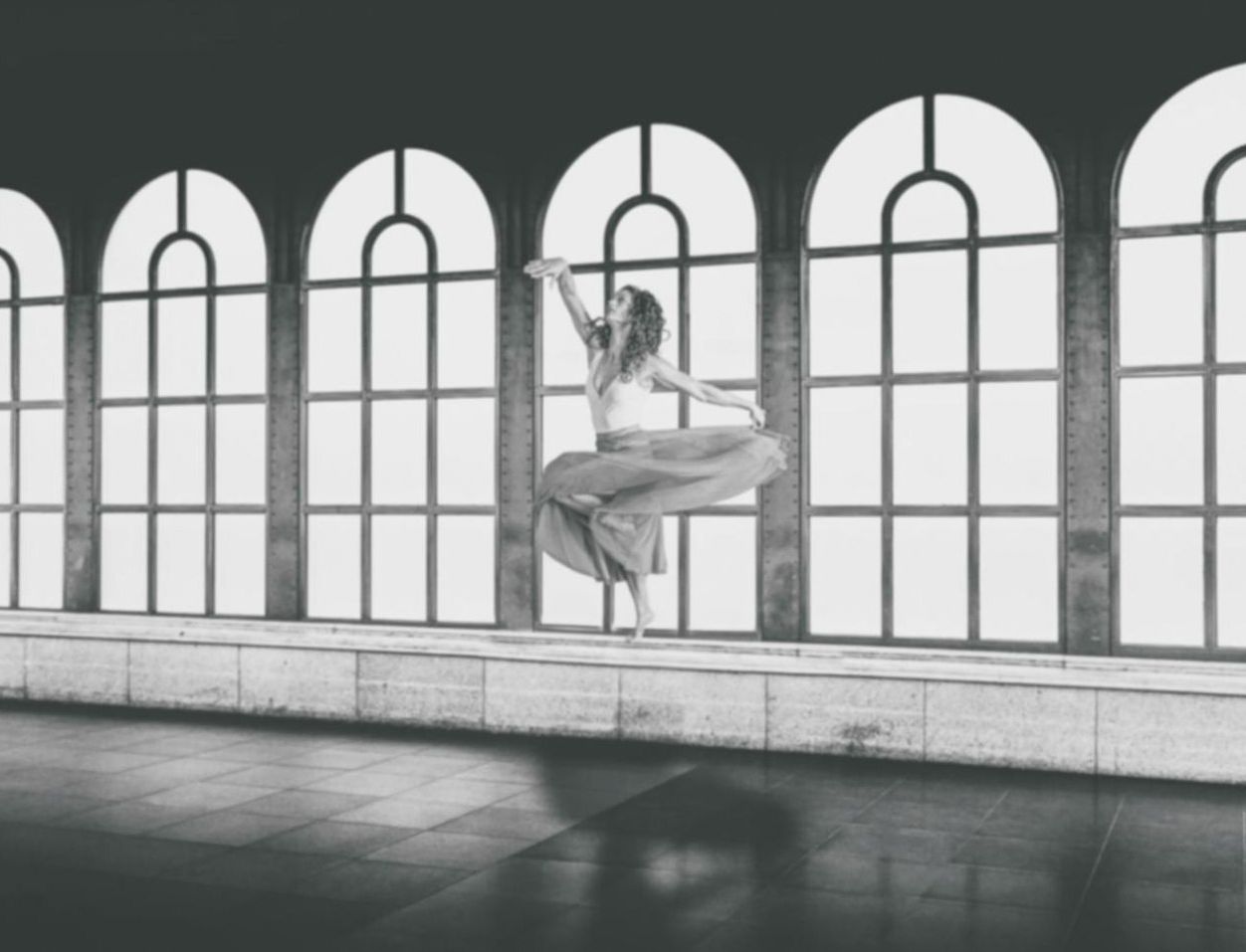
There’s something quietly radical about the way we approach dance fitness here, though I suspect most people don’t notice it on their first day. Classes don’t begin with the usual tight-lipped demonstrations from the front, where you’re left tracing the teacher’s perfect lines and feeling—let’s be honest—a little foolish. Instead, people start moving right away, without choreography looming over them like a test. I’ve seen the relief in someone’s shoulders when they realize mistakes aren’t punished, just woven into the flow. This isn’t about memorizing steps; it’s about learning how your own body wants to answer the music. And yet, that doesn’t mean we let people flounder—there’s enough structure to nudge you forward, especially when you hit that inevitable wall where your feet and your brain seem to belong to different people. We talk through those moments, sometimes in the middle of a song, and I’ve even seen a class pause for someone to ask, “Wait, does anyone else feel their hip cramp up here?” That kind of honesty is rare, but it’s where the real learning happens. By the end, beginners aren’t just following along anymore. Their movements have a certain weight—an ownership—that’s hard to describe without sounding sentimental. Practitioners, those who stick with it, develop an uncanny sense for the gaps between beats, the way energy pools and then releases in a room full of bodies. I’ve noticed that some start to anticipate the group, adjusting in microseconds to each other, while at the start, everyone is just trying not to collide. There's no magic moment where someone flips from “new” to “experienced”—it’s a messy, gradual process, often interrupted by self-doubt or laughter or the occasional, “Wait, can we do that part again?” If I had to name just one thing that sets this apart, it’s that we actually welcome those interruptions. In my experience, that’s where the most lasting progress sneaks in—between the official steps, in those unscripted exchanges that never make it onto the class description. And sure, sometimes a person will leave still struggling, still not quite at ease. That’s real, too. But perhaps most importantly, they’ve learned that feeling lost isn’t a personal failure; it’s just another rhythm to dance with.
Read At What EveYeronest Say
Laurel
Brilliant! Each class left me a little bolder—now I hit the dance floor without a second thought.

Diya
Techniques clicked like puzzle pieces—dancing with everyone felt like building a bright, moving mosaic together.

Zachery
Fantastic! I found real friends here—plus, dance fitness fits into my crazy schedule perfectly.

Jaylynn
No more hiding at the back—each beat pulls me forward. Dance fitness gave me real confidence, not just moves.

Ayla
Fantastic! Didn’t expect to have this much fun—sweat, laughs, plus I finally nailed that tricky step.

Mya

Our Professional Essence
Grumaro
Harper
Harper’s way of teaching dance fitness—if you can call it a “way”—feels a bit like jazz: there’s structure, sure, but he’s always riffing off the students’ energy. One minute, he’ll be breaking down footwork with mathematical precision; the next, he’s tossing out a story about the time he accidentally joined a salsa troupe in Barcelona. You get the sense he’s got a plan, but he doesn’t mind scrapping it if someone’s curiosity sparks a new direction. There’s laughter—sometimes at his own expense—which makes the tougher movements less intimidating. In the studio, he’s not much for rigid formality. The mirrors are a little scuffed, and there’s always a half-empty coffee mug perched somewhere it shouldn’t be. Harper’s seen dance fitness evolve from VHS tapes and jazzercise to whatever hybrid forms kids invent these days—he’ll mention this in passing, not as nostalgia, but as context. He wants students to see the “why” behind traditions, not just the “how.” The questions he drops into discussion—“What actually makes this groove feel good?”—tend to stick, echoing long after class ends. He almost never talks about his articles in those trade journals, though I caught a glimpse of one once, wedged in the back of a choreography binder. Harper’s influence is subtle, sometimes only visible in how other instructors start borrowing his favorite warm-up track. If you ask him directly about his teaching philosophy, he just shrugs and says, “We move, we figure it out.”
Contact Reference Hub
We're glad you're considering Grumaro's dance fitness course—questions are part of the process, and getting answers should be the easy bit. Maybe you're curious about what to expect, or you just want to check if a certain class fits your schedule; either way, reaching out can clear things up in no time. And honestly, sometimes a quick chat is all it takes to feel more confident about jumping in. Below you'll find the best ways to get in touch—don't hesitate to ask what's on your mind.
41 Charleston St, Monash ACT 2904, Australia